A serious WhatsApp hack has shaken Australia’s federal parliament. In late May 2026, a member of parliament and three of his staffers had their WhatsApp accounts taken over in what officials describe as a phishing attack likely orchestrated by a foreign state actor.
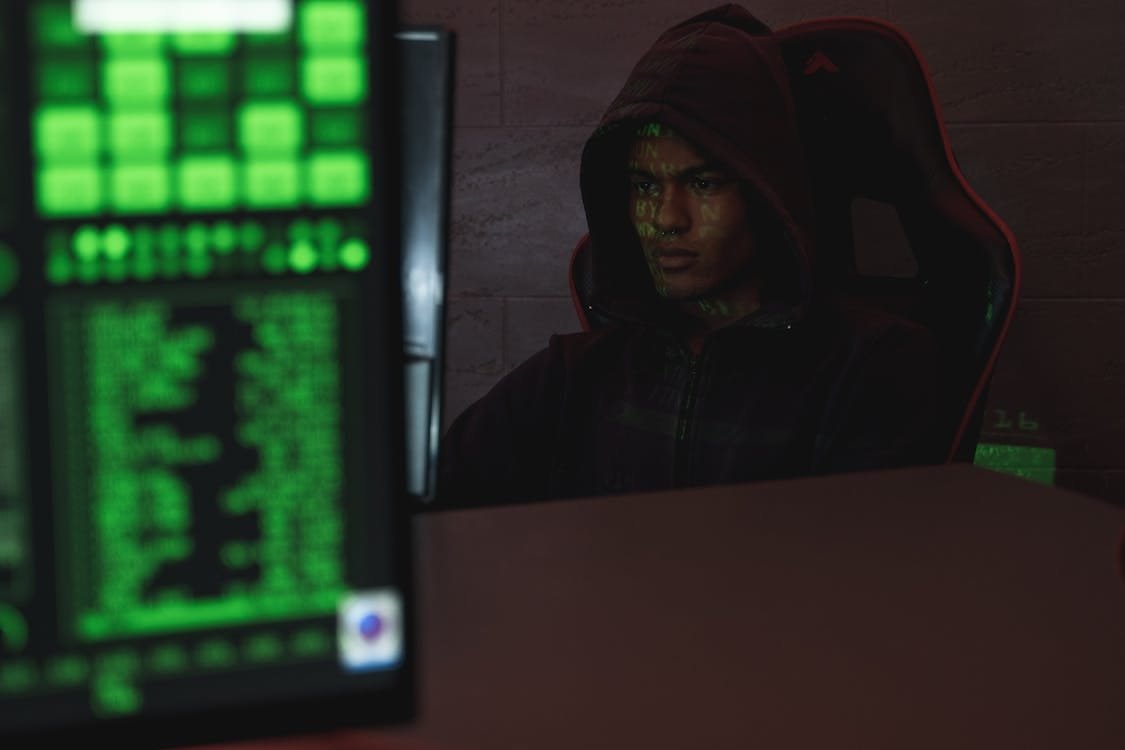
What we know about the WhatsApp attack
On May 25, 2026, the Australian Parliament confirmed during a Senate Estimates hearing that the targeted MP’s WhatsApp account had been compromised. A day later, on May 26, investigators pointed toward a possible foreign state actor behind the operation.
Timeline
- May 25, 2026 — Parliament reveals phishing attack on MP and staffers.
- May 26, 2026 — Reports link the breach to a suspected foreign intelligence service.
- Ongoing — Cyber agencies investigate potential data exposure.
How the attackers got in
The technique was a classic case of WhatsApp phishing: a fake message convinced the victim to share a six-digit verification code, allowing the attacker to register the account on another device.
Why this matters globally
This is not just an Australian story. The case shows that Meta‘s end-to-end encryption does not protect users from social engineering. High-profile targets — politicians, journalists, executives — are increasingly being hunted by state-backed cyber units.
How to protect your WhatsApp account
- Turn on two-step verification.
- Never share the 6-digit code.
- Review linked devices monthly.
- Be skeptical of urgent or unusual requests.
See our full guide: how to secure your WhatsApp in 2026.
FAQ
Was WhatsApp itself hacked?
No. Individual accounts were hijacked via phishing — the platform’s core encryption was not broken.
Are regular users at risk?
Yes. The same trick is used daily against ordinary users worldwide.
Read more: A history of cyberattacks involving Meta and WhatsApp.
Pingback: Telegram WhatsApp Facebook Groups - Grupos Telegram e WhatsApp